
Partner enablement · Technical track
Building on Futurity
Connect a client's systems to Futurity, and run them in production.
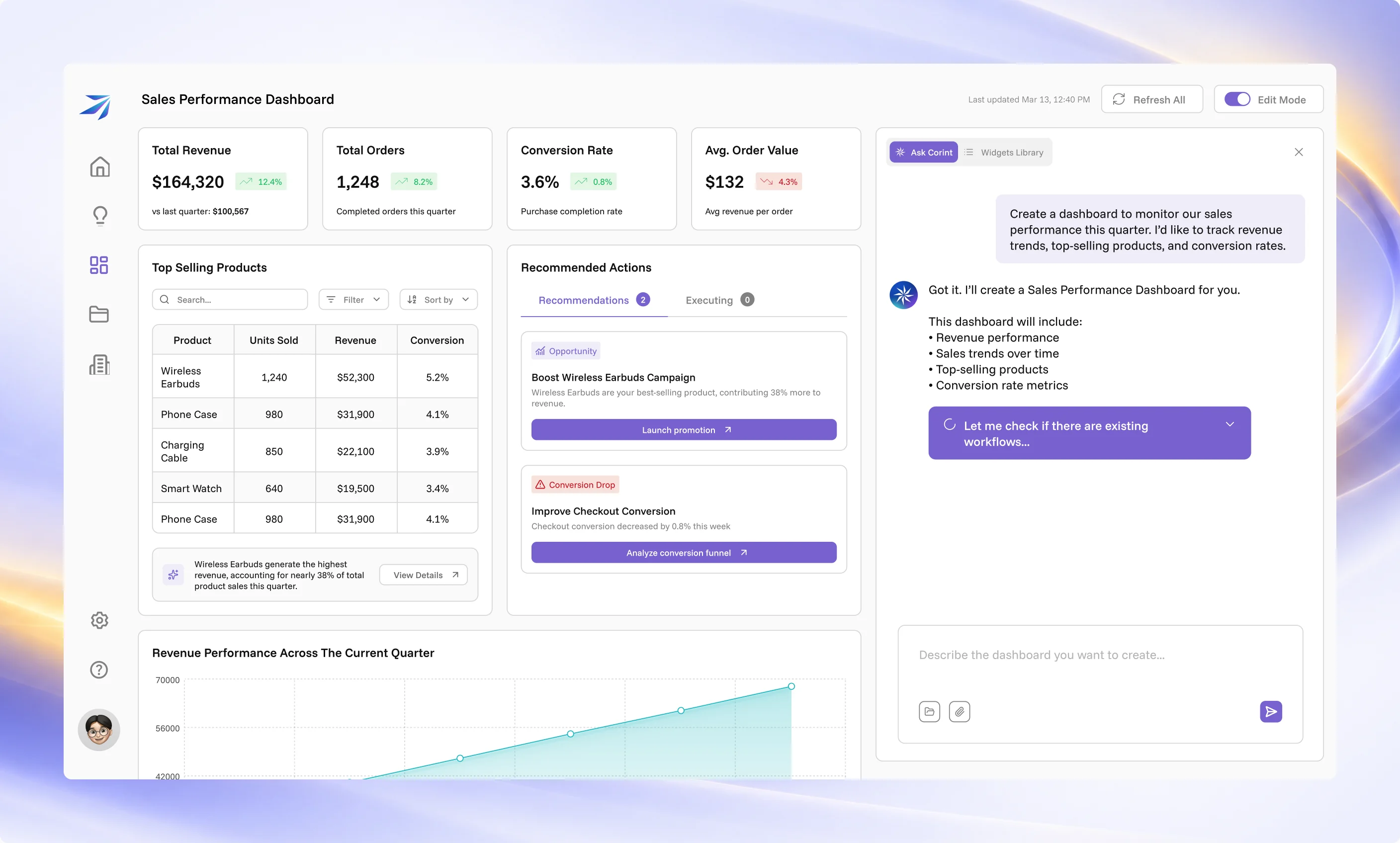 Marketplace · Connected
 ESB CoreCONNECTED
 StampsCONNECTED
 SalesforceConnect
See it built, then connect one yourself
CHAPTER 01
How Futurity connects
How does a question reach a client's system?
- Who does what4
- How a question flows5
- Three ways in6
You build and run it. Futurity reviews and backs you.
Classify the client's system
Build or configure the plugin
Submit for review
Answer the client, fix the connector
check
platform
reviewfixes
escalate
FuturityConfirms the way in
Runs the platform, QAor builds it, if escalated
Accepts
Fixes platform issues
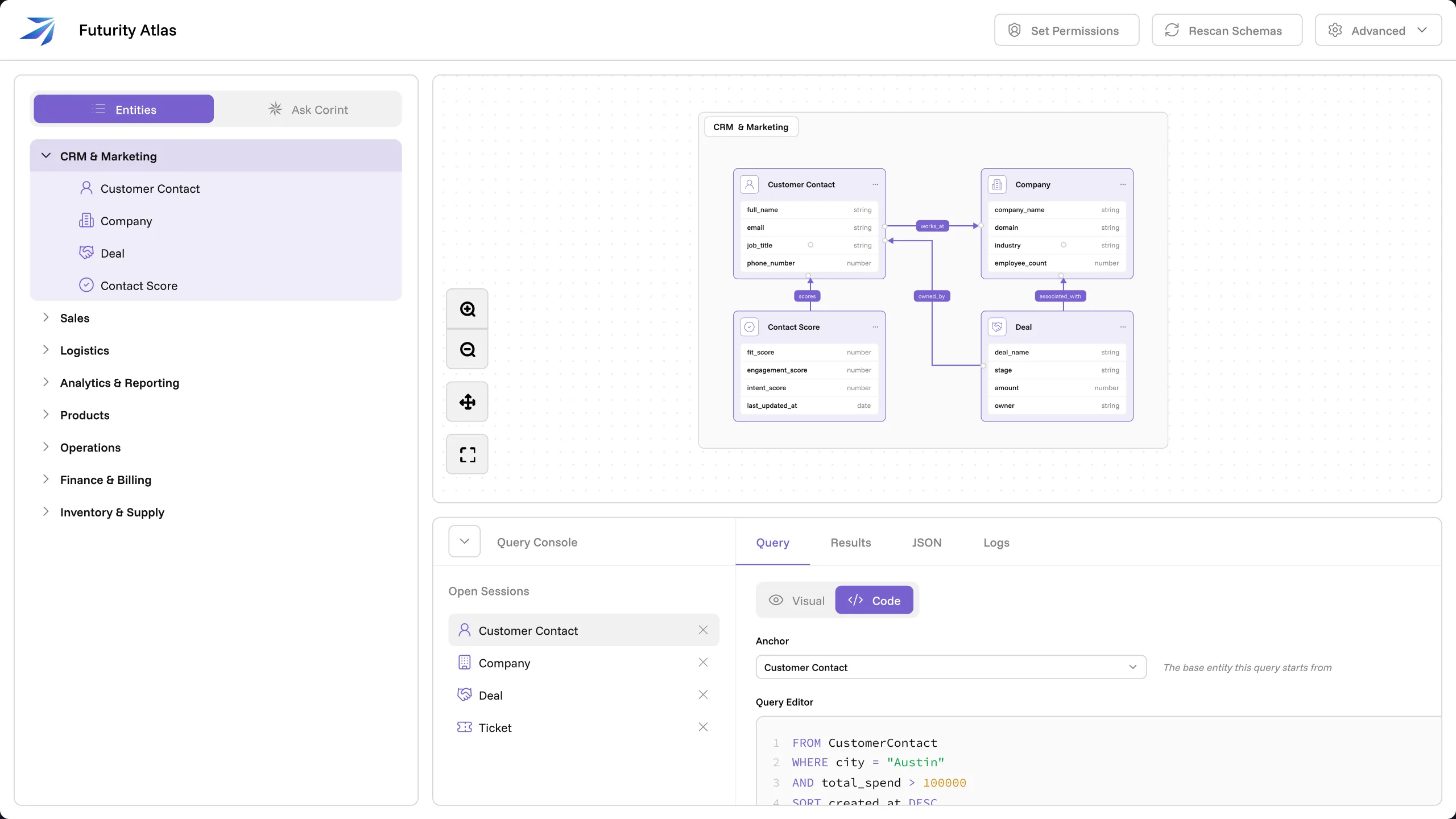
Every read passes Atlas before it reaches the system

- Someone asks
- Atlas checks
- Person allows
- Your plugin runs
- Answer
Corint reads your tool descriptions and picks the tools.
Three ways in. You'll see two of them today.
Configure
Sign in, set up. No code.
Build it yourselves
You build, Futurity accepts.
Escalate
Futurity builds it.
CHAPTER 02 · WAY IN 2: BUILD
Case study: Roemah Koffie
What does building a plugin take?
- Three systems8
- Their traps9
- How fast10
- Live demo11
Three systems, one question none could answer
Stampsloyalty CRM1
Members, tiers
invoice_number
invoice_number
= sales_num
MISSING: live-data checkESB CoreERP and POS2
Sales per bill
sales_num
outlet + daysales reports3
Sales per outlet
outlet, day
Illustrative question · field names from the ESB and Stamps plugins
Each system had a trap
ESB Corelive · 15 toolsUnknown filters ignored
wrong totals, no error
We drop unknown filters and say so. 30 s cap per call.
Stampslive · 12 toolsOne member per request
no totals across members
We refuse totals and wait 1 s between requests.
No transaction ID or time
joins are inferred
We copy it into Atlas and keep the join unconfirmed.
Working on day one, then four weeks of refining
Both plugins answer questions
Tools reshaped around real questions
Atlas governance added
Fixes from live use
Last change so far
ESB and Stamps plugins, built with AI coding agents · git history
Four stops, from connection to answer
Marketplace → Connected: ESB Core and Stamps, on for the whole org.
Demo org, masked data
CHAPTER 03 · WAY IN 1: CONFIGURE
Hands-on: connect Salesforce
Can you connect one yourself?
- Five steps13
- What Corint can see14
- Eight questions15
Marketplace · BrowseSalesforce
Your leads, contacts, accounts and dealsConnect
Five steps to a Salesforce answer in 20 minutes
- 1Get a free Salesforce org5 min
- 2Install the Futurity package3 min
- 3Connect in the Marketplace3 min
- 4Sign in to Salesforce2 min
- 5Ask, then try a write7 min
Done when Corint answers from your org, and asks before it writes · figures illustrative
Corint sees only what Atlas and your login both allow
Ask every system eight questions. Here is Salesforce.
1Is there a documented API?Yes, REST
2May we use it?An admin installs the package
3How do we sign in?Each person's own login
4A schema, or inferred?Read live per object
5Live, or a copy in Atlas?Live
6Write back?Yes, with a prompt first
7How do we test safely?A Developer Edition org
8New to Futurity?No, it's in the catalog
CHAPTER 04
Running it in production
What keeps it safe once it's live?
- Workflows and dashboards17
- Review and go live18
- Support19
Workflow · Morning takingsEvery day, 07:00Scheduled Mode
Read takings by outletesb
Send the morning summaryApproval
The same tools run workflows and dashboards
A workflow runs your tools on a schedule.
A plugin goes live once it passes Futurity's review
- 01Buildtest in a dev org
- 02SubmitMISSING: submit route
- 03AcceptFuturity reviews
- 04Go livein the client's org
Read-only by defaultwrites are separate tools
Least privilegeask IT only for what's needed
Secrets in the secure storenever in code or chat
Access per data setAtlas checks every read
Approval when it mattersa person confirms first
Residency before copyingrules set per org
Full acceptance checklist ships with the playbook
You take the first two lines; we take the third
Client questions
Access requests, how-to
Connector errors
Configuration, workflow fixes
Platform issues
Product bugs, first-of-kind problems